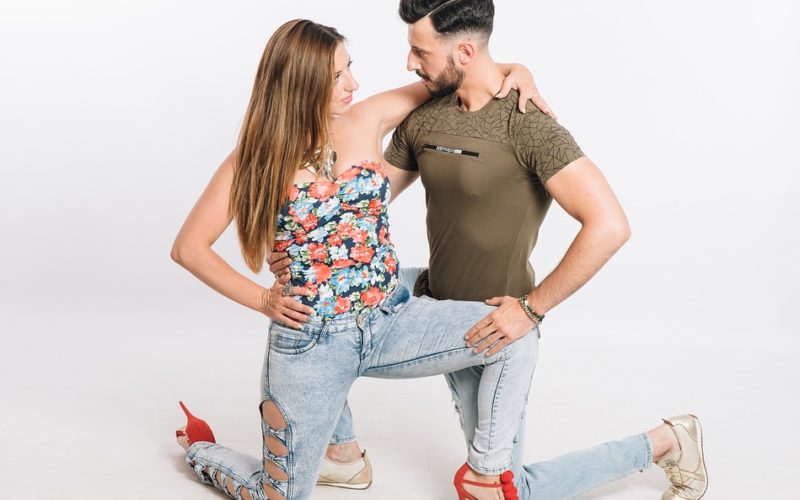
Getting the Hips Involved
Most people associate getting fit with early mornings, treadmills, and a general sense of dread. Dancing offers something entirely different — a workout disguised as a good time. Whether it's salsa, hip-hop, or a freestyle session in your living room, moving to music engages your body in ways that traditional exercise rarely does. The result? A fitter, healthier you, with far less motivation required to get started.
The physical benefits are hard to ignore
Dancing is a full-body cardiovascular workout. A 30-minute session can burn anywhere between 200 and 400 calories, depending on the intensity and style. Beyond calorie burn, it strengthens the core, improves muscle tone, and builds endurance over time. Unlike repetitive gym routines, dancing constantly shifts between movements, challenging different muscle groups in the same session. Your legs, arms, back, and core all get involved — often without you even noticing.
Balance, coordination, and flexibility
One of the less obvious advantages of dance fitness is its impact on balance and coordination. Learning new steps forces the brain and body to work in sync, improving proprioception — your body's awareness of its position in space. Over time, this translates into better posture and reduced risk of injury in everyday life. Flexibility also improves naturally as you stretch and move through a wider range of motion than most gym-based exercises require.
The mental health boost
The benefits extend well beyond the physical. Dancing triggers the release of endorphins, the body's natural mood-lifters, which can reduce stress and anxiety. Studies have also linked regular dance activity to improved cognitive function, particularly in older adults, as learning and memorising choreography keeps the brain sharp. There's also something uniquely uplifting about moving to music you enjoy — it shifts your focus away from the effort and towards the experience itself.
Getting started without a studio
You don't need a dance class or expensive kit to get started. Plenty of free tutorials on YouTube cover everything from beginner salsa to Afrobeats and contemporary styles. Apps like Steezy and DancePlug offer structured programmes for those who prefer a more guided approach. Even 20 minutes a few times a week can make a noticeable difference to your fitness levels. The key is consistency — and fortunately, that's much easier to maintain when you're genuinely enjoying what you're doing.
Finding a style that suits you
The beauty of dance fitness is its variety. High-energy styles like Zumba, street dance, and dancehall are excellent for cardio and calorie burn. Slower, more controlled forms such as contemporary or ballroom focus on strength, flexibility, and technique. If group settings appeal to you, many gyms and community centres run regular classes at various skill levels. Alternatively, solo home sessions offer a low-pressure environment to experiment and build confidence at your own pace.
A sustainable way to stay active
Sustainability is one of the biggest challenges in fitness. Many people start strong but lose momentum when routines feel like a chore. Dancing sidesteps this problem by making movement something to look forward to. The social element of group classes adds another layer of accountability and enjoyment. When fitness feels less like a obligation and more like an outlet, you're far more likely to stick with it long-term — and that consistency is ultimately what drives lasting results.